Title: Secure Gaming: Mitigating Risks in Online Casinos
In the digital age, online casinos have become a popular form of entertainment, attracting millions of users worldwide. However, as the popularity of online gambling grows, so does the potential for security risks. It is crucial for players to understand these risks and learn how to protect themselves while enjoying their favorite casino games online. This article will explore the various security threats associated with online casinos and provide practical tips for safe and secure gaming.
Understanding the Risks
.png)
The primary security concerns in online casinos revolve around data privacy, financial security, and the integrity of the games themselves. Cybercriminals often target online casinos to steal personal information, financial details, and even manipulate game outcomes. Some of the common threats include phishing attacks, malware, and hacking of casino software.
Phishing attacks occur when cybercriminals create fake websites or send emails mimicking legitimate casinos to steal login credentials. Malware, on the other hand, can be installed on a player’s device when they download software from untrustworthy sources, leading to compromised personal and financial information. Additionally, hackers may attempt to breach casino systems to alter game outcomes or access player accounts.
Mitigating the Risks
To ensure a safe online gambling experience, players can take several proactive steps:
- Choose Reputable Online Casinos: Always play at online casinos that are licensed and regulated by reputable authorities. These casinos adhere to strict security standards and are regularly audited to ensure fairness and security. Check for certifications from organizations like eCOGRA (eCommerce Online Gaming Regulation and Assurance), which certifies that a casino is operating fairly and responsibly.
- Use Strong Passwords: Create strong and unique passwords for your casino accounts. Avoid using easily guessable passwords and consider using a password manager to generate and store complex passwords.
- Enable Two-Factor Authentication: Many online casinos offer two-factor authentication (2FA) as an additional layer of security. Enabling 2FA can significantly reduce the risk of unauthorized access to your account.
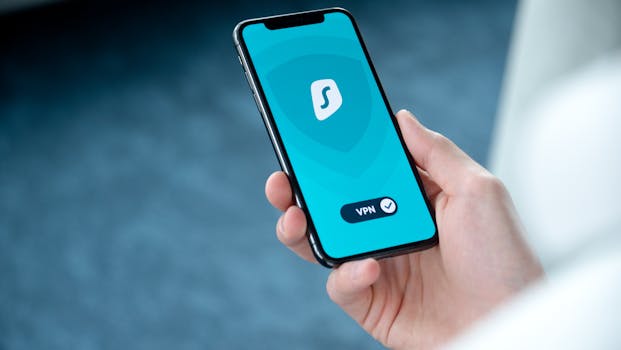
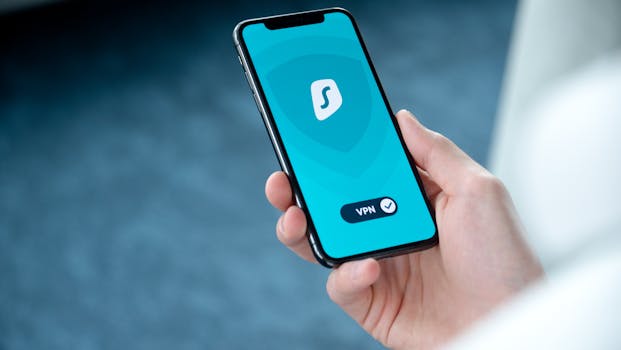
- Secure Your Device: Ensure that your device is protected with the latest antivirus software and that your operating system and applications are up-to-date. This can help protect against malware and other security threats.
- Be Wary of Phishing Scams: Be cautious when clicking on links in emails or text messages, especially if they claim to be from an online casino. Always verify the authenticity of any communication by contacting the casino directly through their official website or customer service.
- Monitor Your Accounts: Regularly check your casino accounts and bank statements for any unauthorized transactions. If you notice anything suspicious, contact your casino and bank immediately.
- Play Responsibly: Apart from security risks, online gambling can also pose risks to personal finances and mental health. Set limits on your spending and gaming time, and consider using tools provided by online casinos to help manage your gambling habits.
The Future of Online Casino Security
As technology advances, online casinos continue to improve their security measures. Innovations such as blockchain technology and advanced encryption methods are becoming more prevalent, offering enhanced security and transparency for online gambling activities. Additionally, regulatory bodies are increasingly focusing on improving the online gambling landscape to protect players from security threats and ensure a fair gaming environment.
In conclusion, while online casinos offer a convenient and enjoyable way to gamble, it is essential for players to be aware of the security risks involved. By taking the necessary precautions and choosing reputable casinos, players can significantly reduce their risk and enjoy a safe and secure online gambling experience. Remember, responsible gambling is not just about managing your money but also about protecting your personal and financial information.